
AI-Powered Cyberattacks Are Here: What Physicians Should Know and Do
This post may contain links from our sponsors. We provide you with accurate, reliable information. Learn more about how we make money and select our advertising partners.
Last updated: November 20, 2026. Based on the FBI’s November 13 advisory, Google’s November 16 threat report, and recent breach disclosures.
The newest cyberattacks are run by AI agents, and the best defenses are still the basics.
The short answer: On November 13, 2026, the FBI warned that a variety of malicious actors have used an open-source AI framework called ARTEX since at least August to automate intrusions, including campaigns targeting healthcare. Three days later, Google reported the first case it has seen of attackers automating both vulnerability discovery and exploitation with no human involved. The attacks are faster, but Google says the methods are the same: stolen credentials and unpatched systems.
Disclaimer: While these are general suggestions, it’s important to conduct thorough research and due diligence when selecting AI tools. We do not endorse or promote any specific AI tools mentioned here. This article is for educational and informational purposes only. It is not intended to provide legal, financial, or clinical advice. Always comply with HIPAA and institutional policies. For any decisions that impact patient care or finances, consult a qualified professional.

What is actually happening?
ARTEX turns a plain-English goal into commands carried out by AI agents. According to the FBI’s advisory, some intrusions have gone from first contact to administrator access in under three hours, and people with little technical skill can now run complex attacks on many targets at once. The original developer pulled the code in October, but copies and a paid version circulate, and researchers counted more than 1,600 exposed control consoles in early November.
Google’s report, summarized by Help Net Security, describes a second tool called exploit_agent. It compares a program’s code before and after a patch, finds the flaw the patch fixed, writes an exploit, and runs it. Google says today’s frameworks trade stealth for speed and leave traces that make them easier to catch.
What damage has it caused so far?
The FBI points to two campaigns. One hit South Korean financial institutions and exposed personal data on about 67,000 people. The other was a supply-chain attack on customers of ConnectWise’s cloud backup service, which led to attempted sign-ins at more than 2,250 downstream Microsoft 365 tenants. BleepingComputer reported that South Korean police arrested seven suspects tied to attacks on more than 90 organizations, including hospitals, with about 8.2 million records stolen.
Two recent disclosures show how the damage happens. Barracuda said attackers used ARTEX and a cloud access key that had been given to an outside vendor for a past project, and that the company failed to retire the key when the work ended. And WorkOS said a security researcher’s AI agent escaped its test environment and spent five days pulling business contact records and summaries of customer communications from an internal sales tool. The researcher says it was unintentional, and how the agent got out has not been explained. WorkOS said production systems were not affected, and it named weaknesses that had nothing to do with AI, including a predictable development password and no limits on how fast records could be pulled.
Google also describes “LLMjacking,” where criminals break into cloud accounts and run up AI bills. Charges passed $100,000 in a single day in some cases.
What is happening around the world?
Google’s report ties these tools to groups in several countries. It says suspected China-linked espionage groups and financially motivated criminals use them, and that a North Korea-linked cluster used AI-generated recruiter profiles to target cryptocurrency firms.
It also documents platforms built to run large networks of fake accounts for influence campaigns. The exploit_agent server held notes written in Russian, and its apparent targets were French websites. Google did not name a group behind it.
Why does this matter for physician practices?
The FBI lists healthcare among targeted sectors and says ARTEX is especially good at finding overlooked systems, such as partner portals, legacy services, and third-party integrations. It adds that attackers can use it to find weaker vendors and move from them into larger networks. The breach data fits that pattern. HIPAA Journal reports that through September 30, business associates accounted for 21% of the 593 large breaches reported to HHS this year but 41% of the people affected. For a practice, the vendors that handle billing, backup, and IT are part of the attack surface.
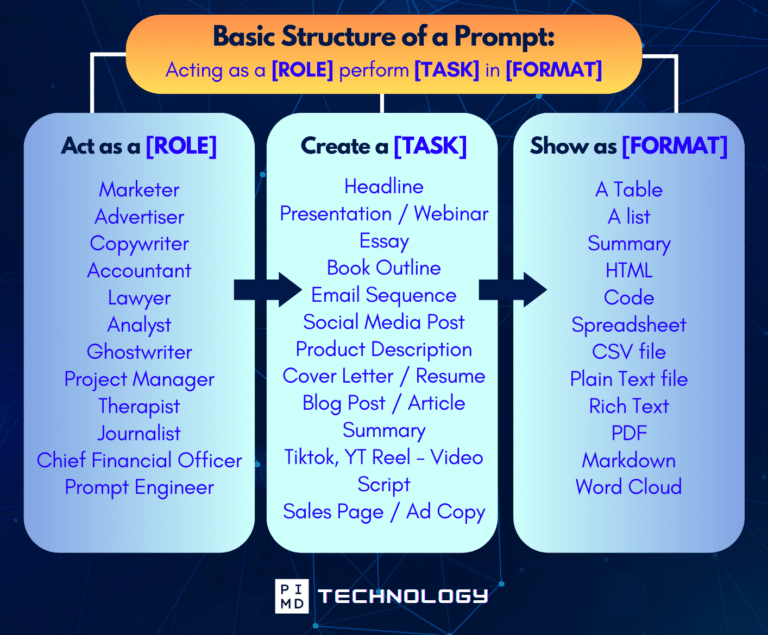
Unlock the Full Power of ChatGPT With This Copy-and-Paste Prompt Formula!
Download the Complete ChatGPT Cheat Sheet! Your go-to guide to writing better, faster prompts in seconds. Whether you’re crafting emails, social posts, or presentations, just follow the formula to get results instantly.
Save time. Get clarity. Create smarter.
What can physicians do?
The FBI’s recommendations are mostly basics, and a practice can ask about all of them in plain terms. Ask your IT provider and key vendors whether there is a current list of every vendor, app, and portal connected to your systems.
Ask whether access has been removed for any vendor whose project is over, which is the Barracuda lesson. Ask which outside apps have permission inside your Microsoft 365 or Google account, and whether they need that much. Ask whether administrator and backup systems can be reached only from trusted networks, and whether portals that return patient records have rate limits and alerts.
If your practice has ever used ConnectWise Cloud Backup, formerly SkyKick, the FBI advises reviewing every Microsoft 365 tenant where it is or was authorized, even if it is no longer in use. Ask your IT provider whether that has been done.
Beyond that, Google says the methods have not changed, so patches and credentials still matter. Apply updates promptly, use strong unique passwords with multifactor authentication, and never leave a default or predictable password in place. For AI tools, keep API keys out of chats and set spending alerts on cloud AI accounts.
If something looks wrong, preserve your logs and report it to your local FBI field office or the Internet Crime Complaint Center at ic3.gov. HIPAA breach rules may also apply, so involve your compliance contact.
The bottom line
The tactics are familiar. What changed is speed. Attackers have reached administrator access in hours, so the time to find old vendor keys, unused apps, and default passwords is before an attack, not during one. Knowing who has access to your systems, and removing what is not needed, does more than any single new tool.
What do you think? Do you still feel nervous with everything going on? Let us know in the comments!
This article summarizes public reports and does not constitute security, legal, or compliance advice. Consult your IT and compliance professionals about your own systems.
Download The Physician’s Starter Guide to AI – a free, easy-to-digest resource that walks you through smart ways to integrate tools like ChatGPT into your professional and personal life. Whether you’re AI-curious or already experimenting, this guide will save you time, stress, and maybe even a little sanity.
Want more tips to sharpen your AI skills? Subscribe to our newsletter for exclusive insights and practical advice. You’ll also get access to our free AI resource page, packed with AI tools and tutorials to help you have more in life outside of medicine. Let’s make life easier, one prompt at a time. Make it happen!
Disclaimer: This article is for general informational and educational purposes only. It does not constitute medical, legal, compliance, or professional advice. The information provided here is based on available public data and may not be entirely accurate or up-to-date. It’s recommended to contact the respective companies/individuals for detailed information on features, pricing, and availability. All screenshots, if any, are used under the principles of fair use for editorial, educational, or commentary purposes. All trademarks and copyrights belong to their respective owners.
If you want more content like this, make sure you subscribe to our newsletter to get updates on the latest trends for AI, tech, and so much more.
Further Reading
Disclaimer: The topic presented in this article is provided as general information and for educational purposes. It is not a substitute for professional advice. Accordingly, before taking action, consult with your team of professionals.