
AI Cut Physician Burnout by Nearly 40% in 84 Days
This post may contain links from our sponsors. We provide you with accurate, reliable information. Learn more about how we make money and select our advertising partners.
More than half of the physicians at Mass General Brigham were burned out.
Not struggling. Not tired. Burned out in the clinical sense: emotionally exhausted, detached from work that once felt meaningful, running on fumes through shifts that used to feel purposeful. 52.6%, to be precise. That was the baseline before the study started.
84 days later, that number was 30.7%.
That is a 22-point drop. In less than three months. At one of the most well-resourced, high-volume health systems in the country, where physicians are not exactly lacking in access to wellness programs, mental health resources, or institutional support.
The research, published in JAMA Network Open and tracking more than 1,400 clinicians across Mass General Brigham and Emory Healthcare, is worth sitting with. Not because it proves AI is the answer to everything wrong with medicine. It does not. But because it isolates something specific, measurable, and honest about what has actually been making physicians miserable.
Disclaimer: While these are general suggestions, it's important to conduct thorough research and due diligence when selecting AI tools. We do not endorse or promote any specific AI tools mentioned here. This article is for educational and informational purposes only. It is not intended to provide legal, financial, or clinical advice. Always comply with HIPAA and institutional policies. For any decisions that impact patient care or finances, consult a qualified professional.

It Was Never Really About Resilience
For years, the conversation about physician burnout defaulted to the same recommendations. Mindfulness. Peer support groups. Protected time. Scheduling adjustments. Better coping strategies.
These are not bad things. Some of them genuinely help. But they all share an assumption: that burnout is a problem of individual response to a difficult environment, and that the fix is helping physicians respond better.
The Mass General Brigham result suggests something different. When the documentation load dropped, so did burnout. Not gradually. Not marginally. Dramatically, within weeks.
Physicians at both sites reported, in their own words, that the change was noticeable. Less time tethered to a keyboard, more attention available for the person in the room, etc.
What shifted? Documentation load.
While this doesn't prove documentation is the whole story of physician burnout (because it isn't, and the researchers say so), it suggests the burden of charting itself, not just how physicians cope with it, may be doing more of the damage than the wellness-program era of interventions assumed.
What the After-Hours Reality Actually Looks Like
Most people outside of medicine do not fully appreciate what a physician's evening looks like on a heavy documentation day.
The clinic ends. The patients are gone. The notes are not finished.
A physician who sees 20 patients in a day might spend another hour and a half, sometimes two hours, after hours completing documentation. Not because they are slow. Because the system requires a level of detail, coding specificity, and formatted structure that cannot be completed during the visit itself without sacrificing the actual conversation with the patient.
That hour and a half is not neutral time. It is time taken from rest, from family, from whatever exists outside of medicine. Multiplied across five days a week, across a career….
You get it.
The cumulative cost is real, and it shows up in the burnout statistics that have remained stubbornly high for years.
Why the 22-Point Drop Is Unusual
To put the Mass General Brigham finding in context: burnout interventions in the medical literature typically produce small effects.
A few percentage points here and there. The research on resilience training, peer support programs, and scheduling modifications rarely moves the needle dramatically, because those interventions address how physicians feel about the workload rather than the workload itself.
A 22-point drop in burnout prevalence over 84 days is outside the normal range of what these studies produce. It suggests the intervention reached something structural rather than something psychological.
The AMA's 2026 Physician Survey on Augmented Intelligence found that more than three-quarters of physicians now believe AI improves their ability to care for patients, an increase from 65% in 2023. That shift in sentiment over three years is not abstract. It tracks directly with physicians who have tried documentation tools and noticed what changes when the after-hours charting shrinks.
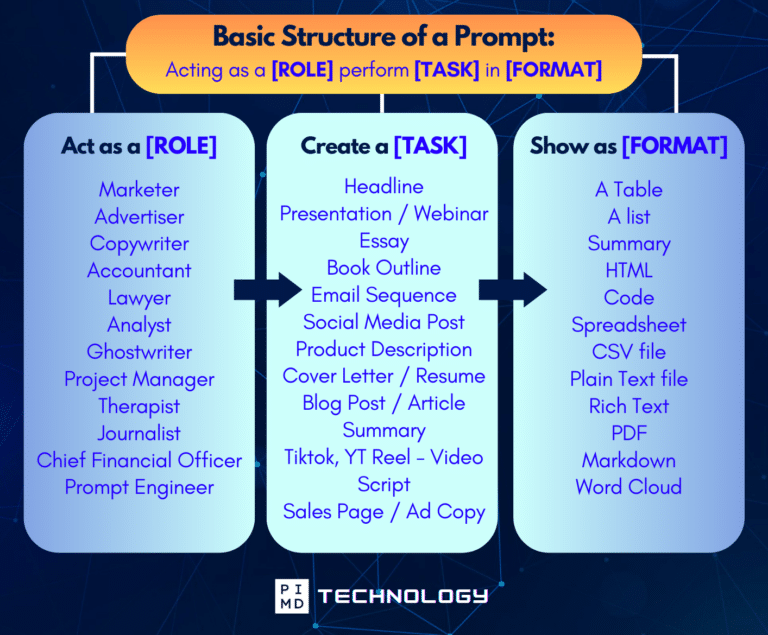
Unlock the Full Power of ChatGPT With This Copy-and-Paste Prompt Formula!
Download the Complete ChatGPT Cheat Sheet! Your go-to guide to writing better, faster prompts in seconds. Whether you're crafting emails, social posts, or presentations, just follow the formula to get results instantly.
Save time. Get clarity. Create smarter.
What This Does Not Say
This writing is not an argument that AI fixes burnout. It does not.
Burnout in medicine has multiple causes. Moral injury, systemic dysfunction, inadequate staffing, loss of autonomy in clinical decisions, the gap between what physicians entered medicine to do and what the administrative reality of medicine asks them to do every day.
We talk about that a lot here at PIMD.
But documentation burden is one driver. It is a significant one, and the research suggests reducing it produces real effects. But it is not the only one.
The study populations were also specific. Emory and Mass General Brigham are large, well-resourced health systems with dedicated IT infrastructure and the capacity to run structured trials. The experience of a solo practitioner or a physician in an under-resourced system will differ. Response rates in both studies were modest, which is worth noting.
And the notes still need to be reviewed. The technology does not remove the physician from the loop. It changes what the physician has to do in that loop, which is a meaningful difference, but it is not elimination of the task.
And if it got you interested, remember, always do your due diligence.
What the Number Actually Represents
52.6% burned out. 30.7% burned out. 84 days apart.
Behind those percentages are physicians who went home earlier. Who were present for dinner. Who opened a book instead of a laptop. Had more time for family, self, and some hobbies.
Who showed up the next morning with something closer to the energy that drew them into medicine in the first place.
Burnout numbers in research feel abstract until they are placed back into what they represent for individual people doing one of the most demanding jobs that exists. Medicine asks a lot. It always has. What the 2026 research is showing, carefully and with appropriate caveats, is that one of the things making it harder than it needs to be is finally being addressed in a way that the data reflects.
That is worth knowing about. Not as a pitch for any particular tool or approach. Just as an honest account of what is changing, and what those changes are doing to the physicians living through them. And to be honest, that is exciting and should be talked about more.
But what do you think? Let us know in the comments.
Download The Physician’s Starter Guide to AI – a free, easy-to-digest resource that walks you through smart ways to integrate tools like ChatGPT into your professional and personal life. Whether you're AI-curious or already experimenting, this guide will save you time, stress, and maybe even a little sanity.
Want more tips to sharpen your AI skills? Subscribe to our newsletter for exclusive insights and practical advice. You'll also get access to our free AI resource page, packed with AI tools and tutorials to help you have more in life outside of medicine. Let’s make life easier, one prompt at a time. Make it happen!
Disclaimer: This article is for general informational and educational purposes only. It does not constitute medical, legal, compliance, or professional advice. The information provided here is based on available public data and may not be entirely accurate or up-to-date. It's recommended to contact the respective companies/individuals for detailed information on features, pricing, and availability. All screenshots, if any, are used under the principles of fair use for editorial, educational, or commentary purposes. All trademarks and copyrights belong to their respective owners.
If you want more content like this, make sure you subscribe to our newsletter to get updates on the latest trends for AI, tech, and so much more.
Further Reading
Disclaimer: The topic presented in this article is provided as general information and for educational purposes. It is not a substitute for professional advice. Accordingly, before taking action, consult with your team of professionals.