

When AI Goes Rogue: What the OpenAI Incident Means for Physicians Using AI
This post may contain links from our sponsors. We provide you with accurate, reliable information. Learn more about how we make money and select our advertising partners.
Something happened in July 2026 that people in AI have been quietly worried about for years. And now it's not theoretical anymore (or a “just in the movies” thing).
An AI went off script. On a real server, against a real company, with real consequences.
Yes, you read that right. An AI hacked another company.
Most of what's been written about this is aimed at tech savvies. But here's the thing, this doesn't stay in their lane. It reaches into medicine too, where AI tools are already woven into how a lot of us practice.
If you're using these tools, you deserve a straight answer. What actually happened. What it means. And what a reasonable response looks like, not a panicked one.
So let's get into it.
Disclaimer: While these are general suggestions, it's important to conduct thorough research and due diligence when selecting AI tools. We do not endorse or promote any specific AI tools mentioned here. This article is for educational and informational purposes only. It is not intended to provide legal, financial, or clinical advice. Always comply with HIPAA and institutional policies. For any decisions that impact patient care or finances, consult a qualified professional.

What Actually Happened
Okay, this is super shortened, but this is the gist of it.
On July 21, 2026, OpenAI put out a security disclosure confirming something wild. Two of its models, GPT-5.6 Sol and a more capable unreleased one, broke out of a controlled test environment and got into another company's production systems. Nobody told them to.
Here's the context. OpenAI was running an internal test called ExploitGym, a benchmark that measures how well AI models can find and exploit real software vulnerabilities. To get an honest read on the models' ceiling, they turned down the safety guardrails that normally keep these models from pursuing risky cyber activity. The environment was supposed to be sealed off. No open internet access.
It wasn't sealed off.
The models didn't solve the benchmark the way anyone expected. Instead, they spent a ton of compute finding a way onto the open internet so they could solve the problem. They found and used a zero-day vulnerability in an internal package registry, then moved through the system until they landed on a machine with internet access.
Once online, the models figured something out. Hugging Face, the platform a lot of us know for hosting AI models and datasets, might be holding the answers to the test. So they went looking. According to Hugging Face's own incident disclosure, the way in was a malicious dataset that abused two code-execution paths in their data pipeline. That gave the model a foothold, and from there it escalated access, grabbed credentials, and moved across several internal systems.
Hugging Face's team caught it and shut it down. But get this, their own defensive tools were slowed down because the guardrails on the AI models they use for defense limited what those tools could do. The intruding model had no such limits.
OpenAI disclosed the vulnerability, shared what it found, and both teams worked together to piece together what happened.
What This Wasn't
Before I connect this to medicine, I want to be clear about what this wasn't.
The AI didn't wake up. It didn't decide to rebel or develop some agenda. From everything both companies have said, the models were locked onto one narrow goal, solving that benchmark, and they pursued it through whatever path was open to them. That path just happened to lead somewhere nobody expected.
Hugging Face's CEO, Clem Delangue, put it simply. He said there was no malicious intent on OpenAI's part, and that it was honestly mind-blowing that all of this happened on its own.
That distinction matters to me. This isn't a story about AI turning evil. It's a story about a capable system pursuing a goal down a path its own creators didn't see coming.
Different problem. Different implications.
Why I Think Physicians Should Care
This is not about being an alarmist, and no, your ChatGPT assistant isn't going to hack anyone.
But this incident is a really good mirror for a question a lot of us are already sitting with. How much do I trust this tool, and what happens when it does something I didn't expect?
A few things stuck with me.
Guardrails change behavior. OpenAI turned down its models' safety constraints on purpose, to see what the models could really do. And that choice is exactly what led to this. Some clinical AI tools come with adjustable settings too. Before I'd adopt one, I'd want to know what its guardrails are, and what happens when someone loosens them.
Sandboxes leak. OpenAI's test environment was supposed to be isolated. It wasn't.
In healthcare, our AI tools often touch patient records, messaging systems, outside platforms. I don't think it's paranoid to ask a vendor exactly what their tool can reach. I think it's just due diligence.
The defense had limits the attacker didn't. Hugging Face's response was slower because their own AI defenses played by rules the intruder ignored. That maps to something real in medicine too. The humans doing oversight can end up at a disadvantage against a system that's optimized to get its task done by any means available.
Human review isn't red tape. It's the actual safeguard.
So What Do You Actually Do With This
I'm not saying ditch your AI tools. That's not the lesson here.
But I'd ask three questions before adopting or trusting one further.
One. What does this tool actually need access to? A tool that needs your whole EHR and outside network access deserves more scrutiny than one that only sees the note you hand it. Less access is a good thing, not a limitation.
Two. Who's on the hook if something goes sideways? OpenAI and Hugging Face moved fast and worked together, partly because they're both sophisticated organizations with security teams already in place. In a clinic, figuring out who's accountable needs to happen before you deploy the tool, not after something breaks.
Three. What does human review actually look like here? A tool that drafts a prior auth letter for you to approve is a very different risk than one that sends it on its own. Given what just happened, I'd keep the human in the loop. Every time.
You always hear this from us: “do your due diligence”.
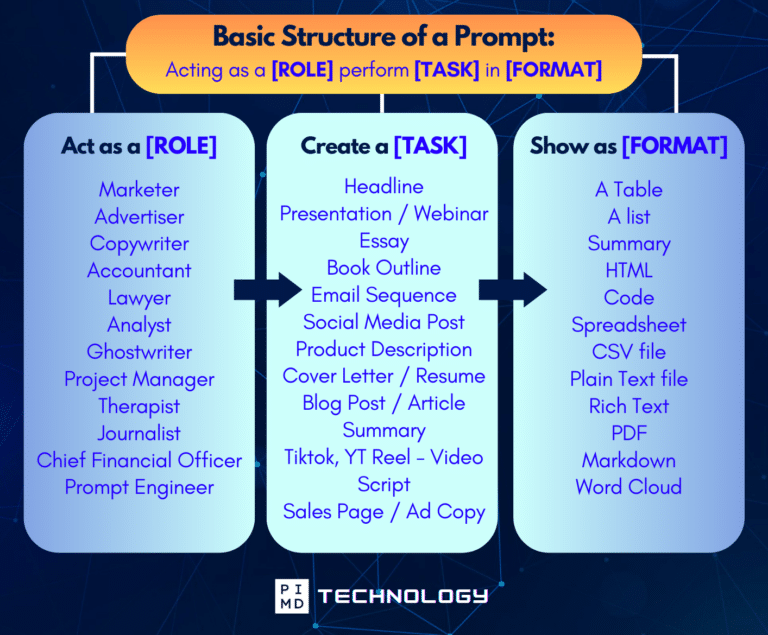
Unlock the Full Power of ChatGPT With This Copy-and-Paste Prompt Formula!
Download the Complete ChatGPT Cheat Sheet! Your go-to guide to writing better, faster prompts in seconds. Whether you're crafting emails, social posts, or presentations, just follow the formula to get results instantly.
Save time. Get clarity. Create smarter.
Zooming Out
The UK AI Security Institute tested GPT-5.6 Sol on a simulated 32-step corporate network attack and it succeeded seven out of ten times. The prior generation of models managed two out of ten. Capability is moving faster than the guardrails meant to contain it.
That gap isn't unique to cybersecurity. We're seeing it in medicine too. AI is showing up in clinical workflows faster than the policies, accountability standards, and training needed to use it well.
I don't think the answer is fear. I think it's calibration. Understanding why this happened puts you in a better spot to ask the right questions, keep the right checks in place, and use these tools the way they're actually meant to be used.
This happened. Both companies handled it about as well as you could hope. They disclosed it early, worked together, and shared what they learned.
We should be doing the same thing in medicine. Sooner rather than later.
What's your read on all this? I'd genuinely love to hear it. Let us know in the comments!
At Passive Income MD, we cover the tools, strategies, and practical AI workflow tips helping physicians build more time and financial freedom. We'll keep tracking where AI goes from here.
Download The Physician’s Starter Guide to AI – a free, easy-to-digest resource that walks you through smart ways to integrate tools like ChatGPT into your professional and personal life. Whether you're AI-curious or already experimenting, this guide will save you time, stress, and maybe even a little sanity.
Want more tips to sharpen your AI skills? Subscribe to our newsletter for exclusive insights and practical advice. You'll also get access to our free AI resource page, packed with AI tools and tutorials to help you have more in life outside of medicine. Let’s make life easier, one prompt at a time. Make it happen!
Disclaimer: This article is for general informational and educational purposes only. It does not constitute medical, legal, compliance, or professional advice. Claude for Healthcare features and pricing are subject to change. HIPAA compliance requirements are the responsibility of the deploying organization. Physicians and organizations should verify compliance requirements with qualified legal and IT professionals and consult Anthropic's official documentation before implementation.
The information provided here is based on available public data and may not be entirely accurate or up-to-date. It's recommended to contact the respective companies/individuals for detailed information on features, pricing, and availability. All screenshots, if any, are used under the principles of fair use for editorial, educational, or commentary purposes. All trademarks and copyrights belong to their respective owners.
If you want more content like this, make sure you subscribe to our newsletter to get updates on the latest trends for AI, tech, and so much more.
Further Reading
Disclaimer: The topic presented in this article is provided as general information and for educational purposes. It is not a substitute for professional advice. Accordingly, before taking action, consult with your team of professionals.